
Chemical
What Small Chemical Suppliers Need to Know Before the Next MCL Wave
The 15 August 2026 deadline for the sixth edition of the Great Britain Mandatory Classification and Labelling List has now passed, but it is not

The 15 August 2026 deadline for the sixth edition of the Great Britain Mandatory Classification and Labelling List has now passed, but it is not

Chemical suppliers have spent this year focused on GB CLP’s mandatory classification updates, but a second regulation is now landing on the same labels at

The GB Classification, Labelling and Packaging Regulation governs what must appear on every chemical label placed on the Great Britain market. Its requirements are not

The Great Britain Classification, Labelling and Packaging Regulation has produced three separate tranches of classification changes within 18 months, with the first hard compliance deadline

The February 2026 proposal from the Health and Safety Executive to introduce 60 new mandatory classifications under GB CLP is reshaping labelling requirements across the
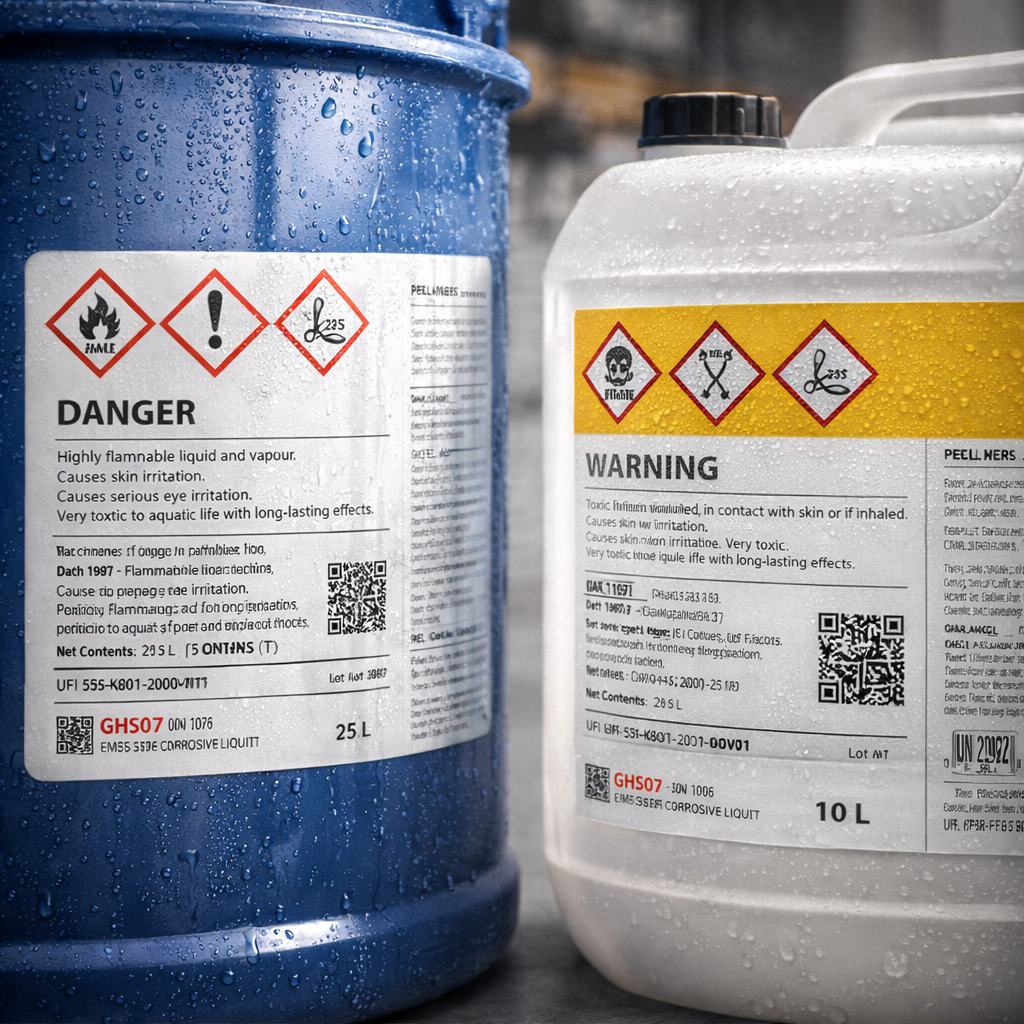
Chemical manufacturers and suppliers are facing noticeable increases in label costs in 2026, with many reporting rises of 15–35% depending on the construction and volume.
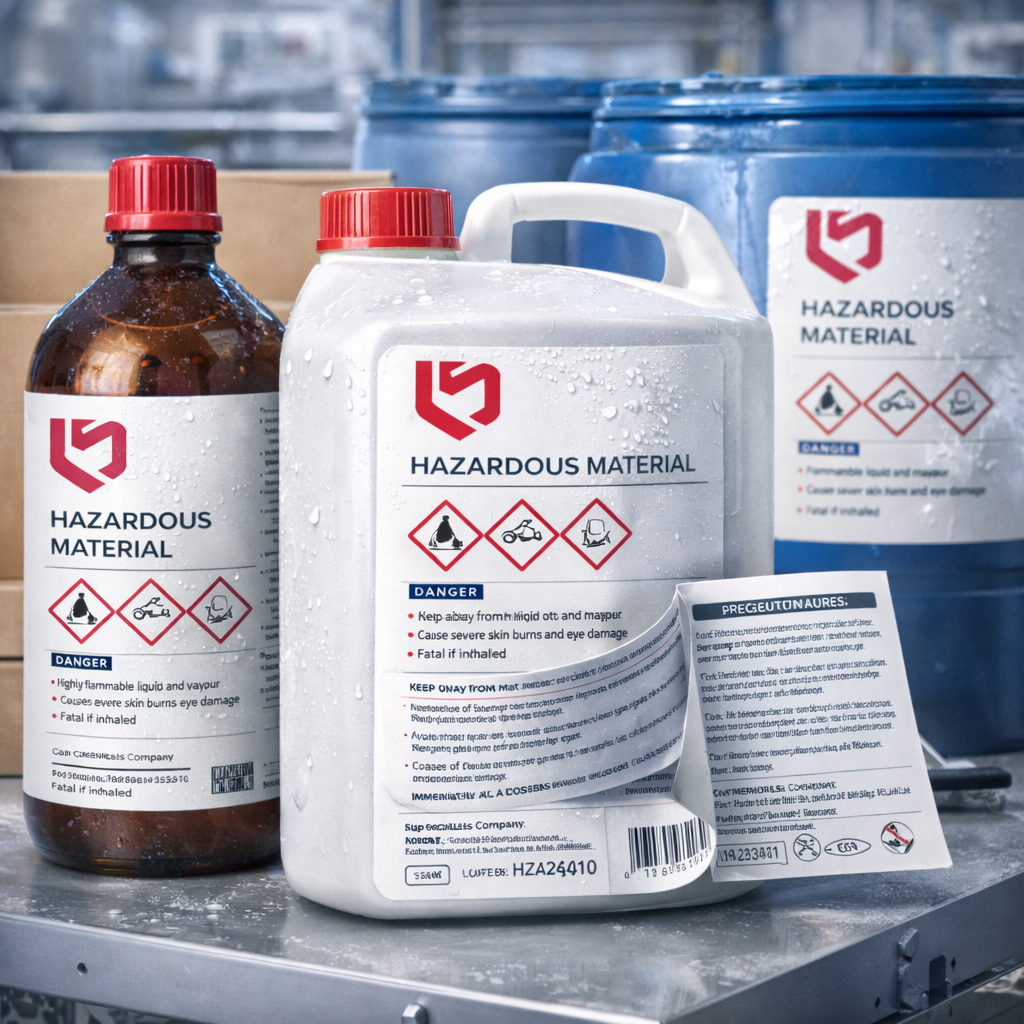
Chemical labelling requirements are expanding again in 2026. Updates to GB CLP are increasing classification triggers, introducing additional hazard categories and tightening communication standards. For
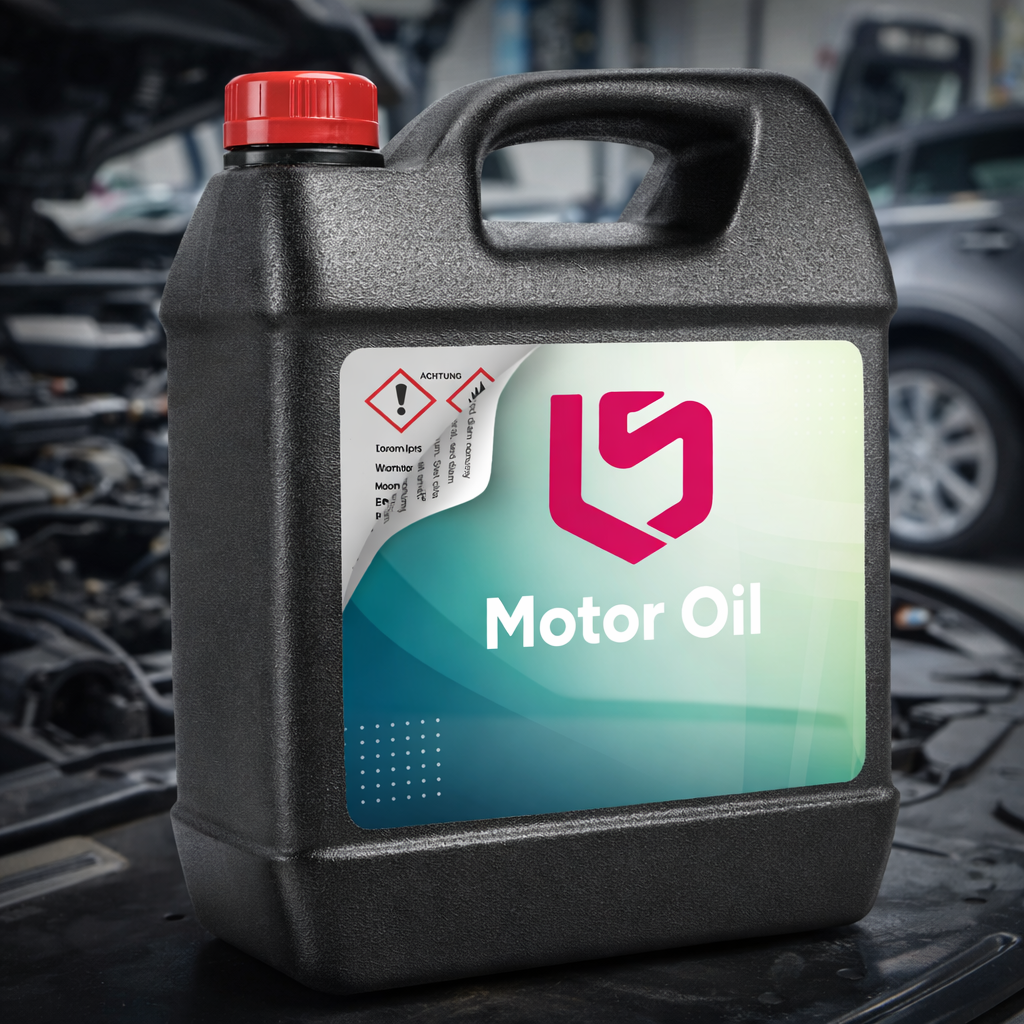
Chemical labels are the frontline of hazard communication. Under the UK’s retained GB CLP framework, pictograms and signal words are not design elements or best-practice

Chemical labelling has become significantly more demanding over the past decade. Regulatory frameworks continue to expand, hazard communication rules are more detailed, and enforcement expectations
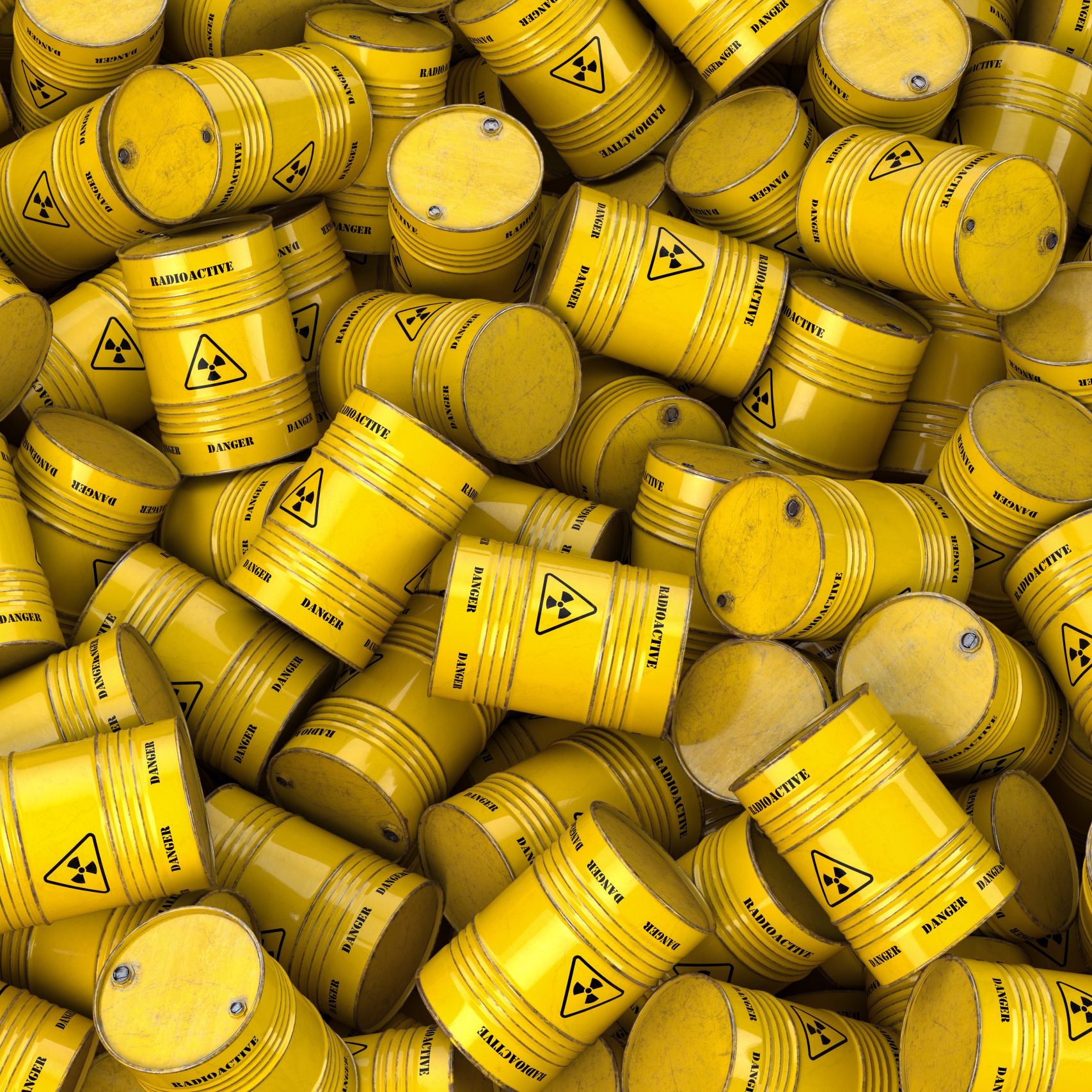
The European Chemicals Agency (ECHA) is entering the final phase of implementing major updates to the Classification, Labelling and Packaging (CLP) Regulation — and for