General
New CLP Guidelines in the UK: What It Means for Your Chemical Labels
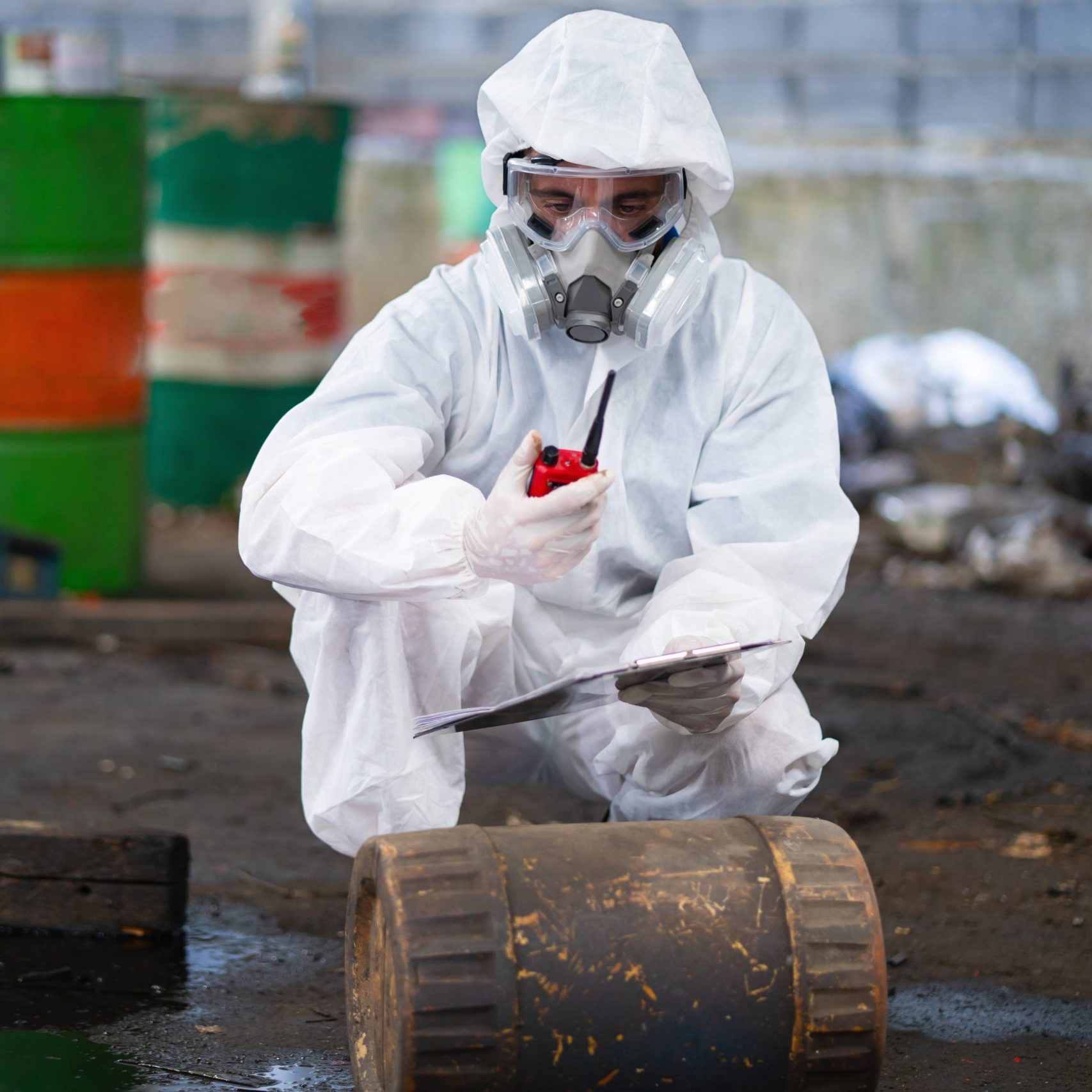
Since the UK left the EU, chemical regulations have been evolving under the domestic GB CLP framework. The latest updates to the Classification, Labelling and

Since the UK left the EU, chemical regulations have been evolving under the domestic GB CLP framework. The latest updates to the Classification, Labelling and
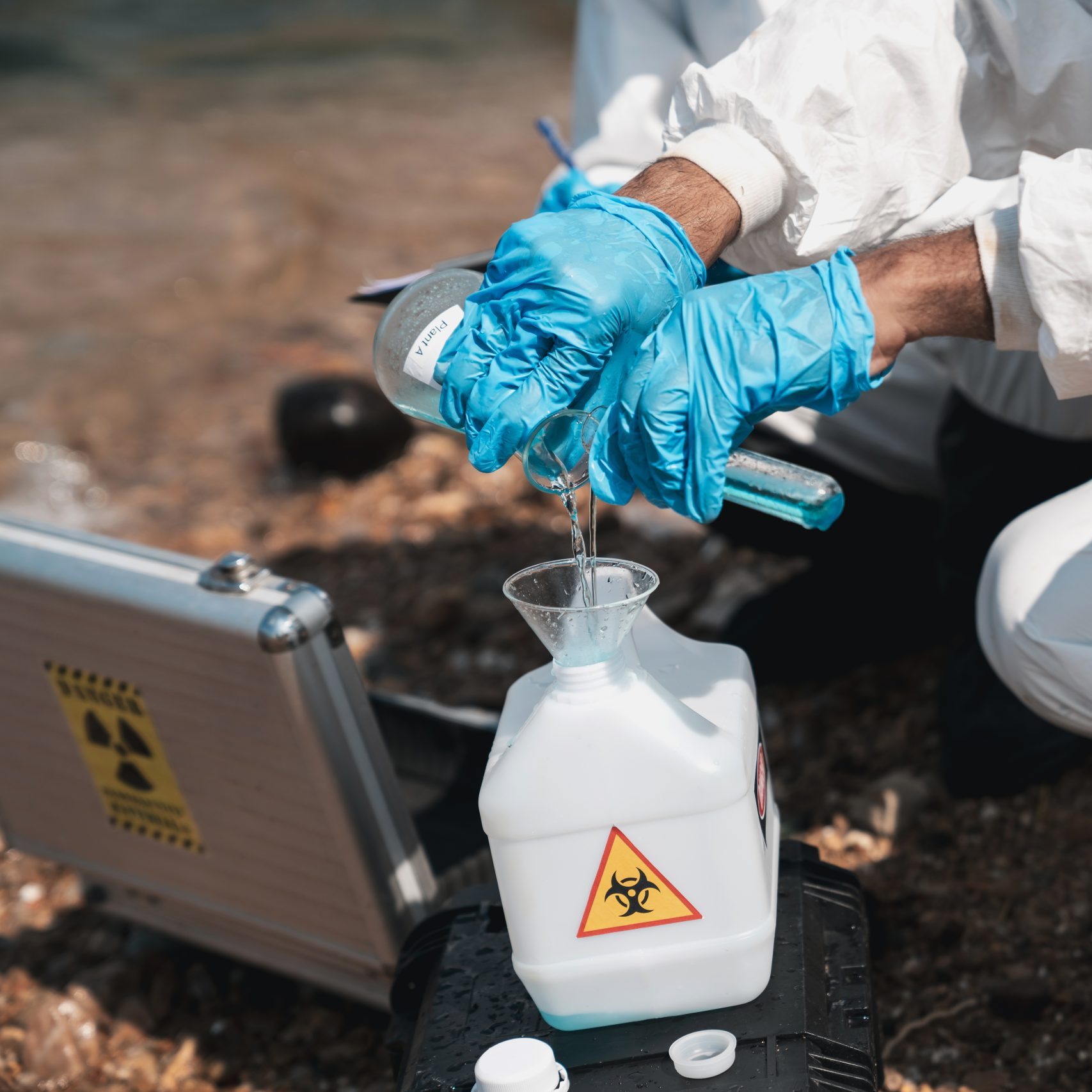
In a significant regulatory development, the UK Government has begun taking formal steps to align chemical labelling laws between Northern Ireland and Great Britain, addressing
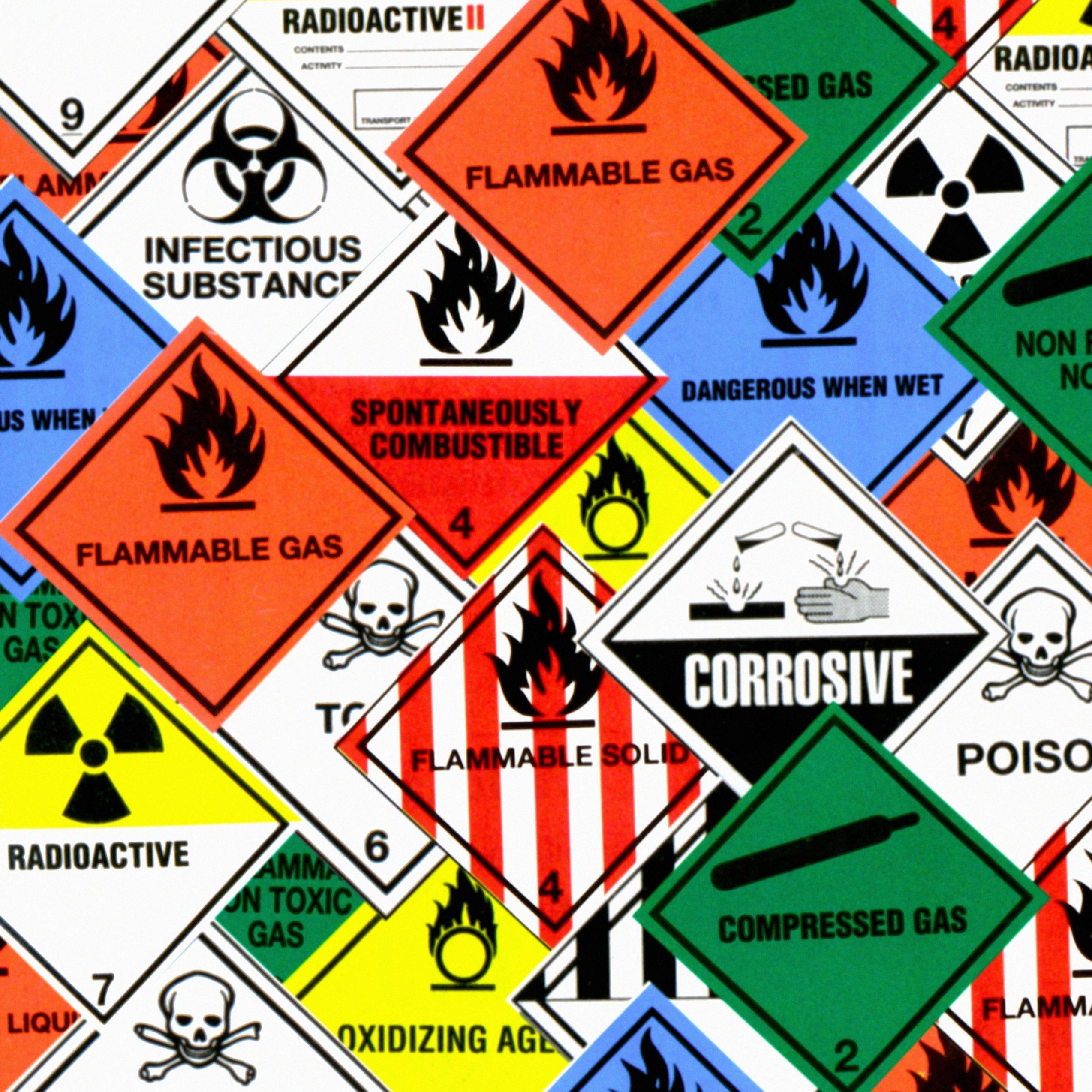
The revised Regulation on Classification, Labelling, and Packaging (CLP) of Chemicals, which comes into force on December 10, represents a major step forward in safeguarding
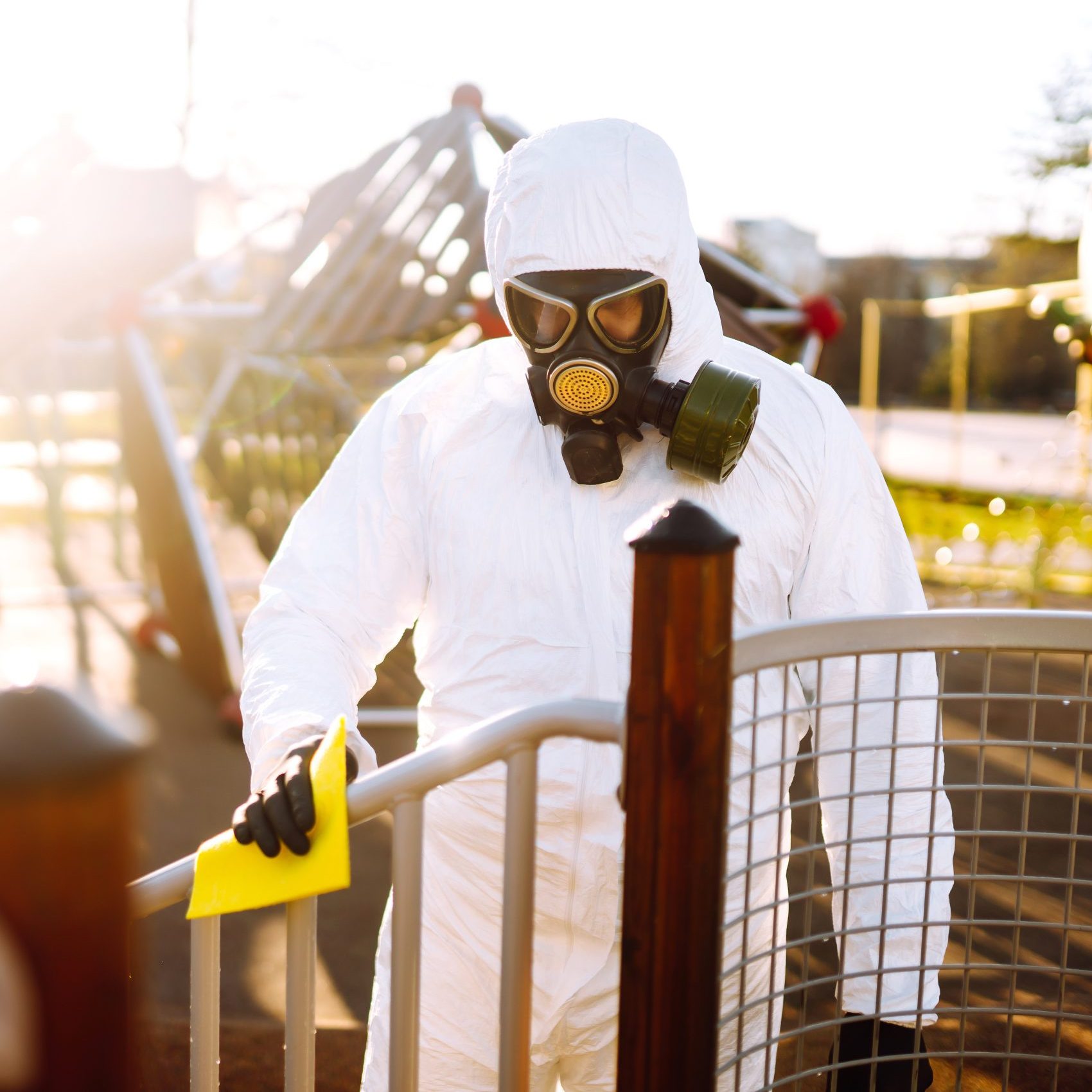
The most significant update to U.S. chemical safety regulations in over a decade brings substantial changes to classification, labelling, and documentation requirements. Philip Mole of

Chemicals are the backbone of modern life— think toothpaste, fuel, and home insulation. But nearly all these products come from fossil fuels, with production that’s

The US Environmental Protection Agency has set legally enforceable drinking water limits for a group of the most dangerous PFAS compounds, marking what public health

The first tanker carrying sustainably produced bioacetone and biobutanol has departed Celtic Renewables’ flagship biorefinery in Grangemouth, marking a significant milestone in the global transition

There are chemicals in cookware, food, water, clothes and furniture that could cause problems for people’s health. These PFAS, or perfluoroalkyl and polyfluoroalkyl substances —

The term “fermentation chemicals” refers to chemicals produced through a fermentation process of biomass using microorganisms like bacteria, yeasts, fungi, and microalgae. . They are

Renewable chemicals, also known as bio-based chemicals or green chemicals, are derived from renewable biomass sources such as plants, algae, or waste materials. These chemicals